


In the dynamic realm of real estate, property owners often grapple with a critical decision – should they opt for short term or long term rental arrangements? This comprehensive guide goes beyond the surface, providing an extensive analysis of the pros and cons associated with each choice.
Short Term Rental: The Flexibility Advantage
Short term rentals, characterized by leases typically lasting a few days to a few months, offer unparalleled flexibility. Property owners can capitalize on peak seasons, adjusting rental rates based on demand. This flexibility enables owners to use their properties when needed, catering to both transient guests and those seeking temporary accommodation.Pros:
- Higher Rental Income: Short term rentals often yield higher nightly rates, especially in popular tourist destinations.
- Flexibility for Property Use: Owners can utilize the property for personal use during periods of lower demand.
- Regular Property Maintenance: Frequent turnovers allow for consistent property inspections and maintenance.
Cons:
- Management Intensity: High turnover requires more intensive management, from cleaning to guest communication.
- Vacancy Concerns: Unpredictable demand may lead to vacant periods, impacting overall rental income.
Long Term Rental: Stability and Predictability
Long term rentals, typically extending beyond six months, offer stability and predictability for property owners. With a steady income stream and less frequent turnover, owners can establish a more consistent routine for property management.Pros:
- Stable Rental Income: Long term leases provide a reliable monthly income, reducing the impact of seasonal fluctuations.
- Reduced Management Intensity: Fewer turnovers mean less frequent management tasks and lower operational stress.
- Established Community: Long term tenants contribute to a sense of community, enhancing property security.
Cons:
- Potential Income Limitations: Monthly rates may be lower compared to short term rentals, limiting overall income potential.
- Limited Property Use: Owners have restricted access to the property during the lease period.
Navigating the Decision: Factors to Consider
Making the right choice between short term and long term rental depends on various factors, including property location, market demand, and personal preferences. Property owners must evaluate their goals, the level of involvement they desire, and the unique attributes of their real estate.A Tailored Approach to Property Success
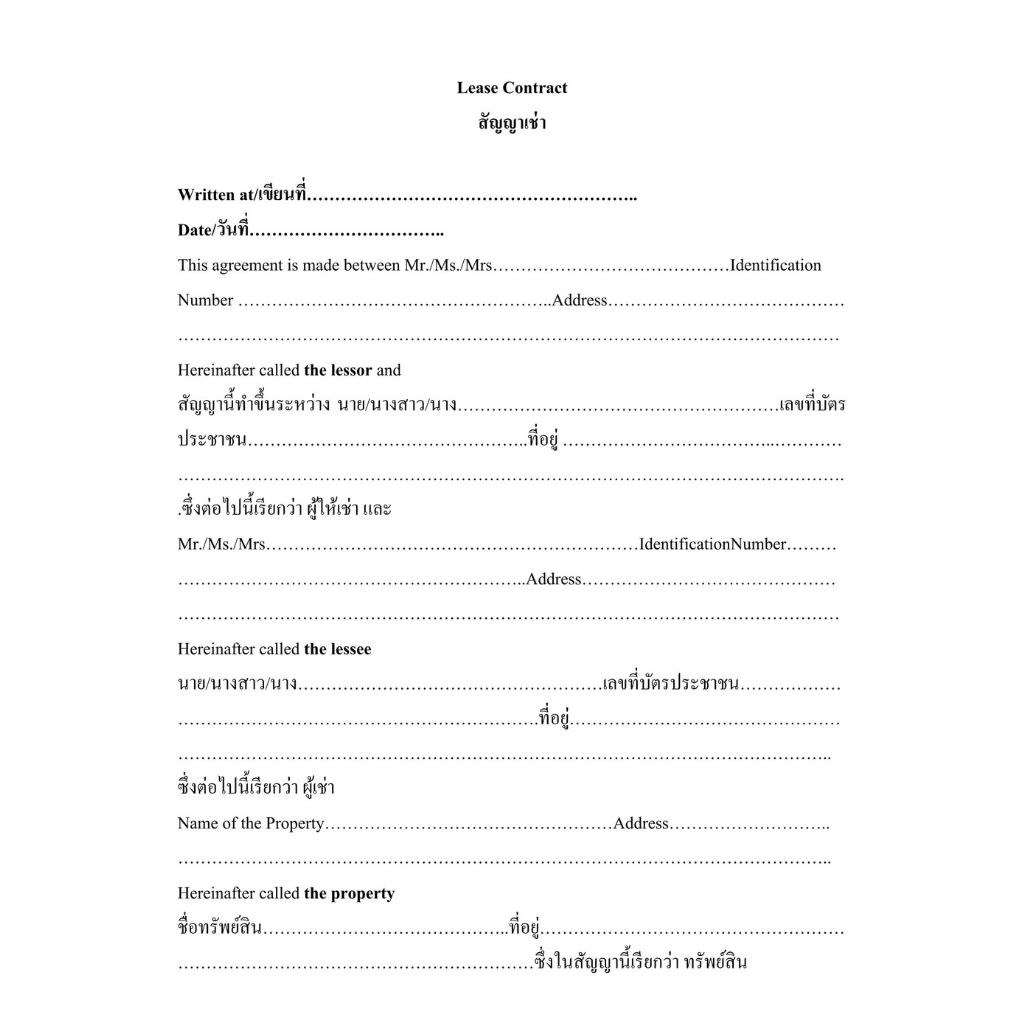
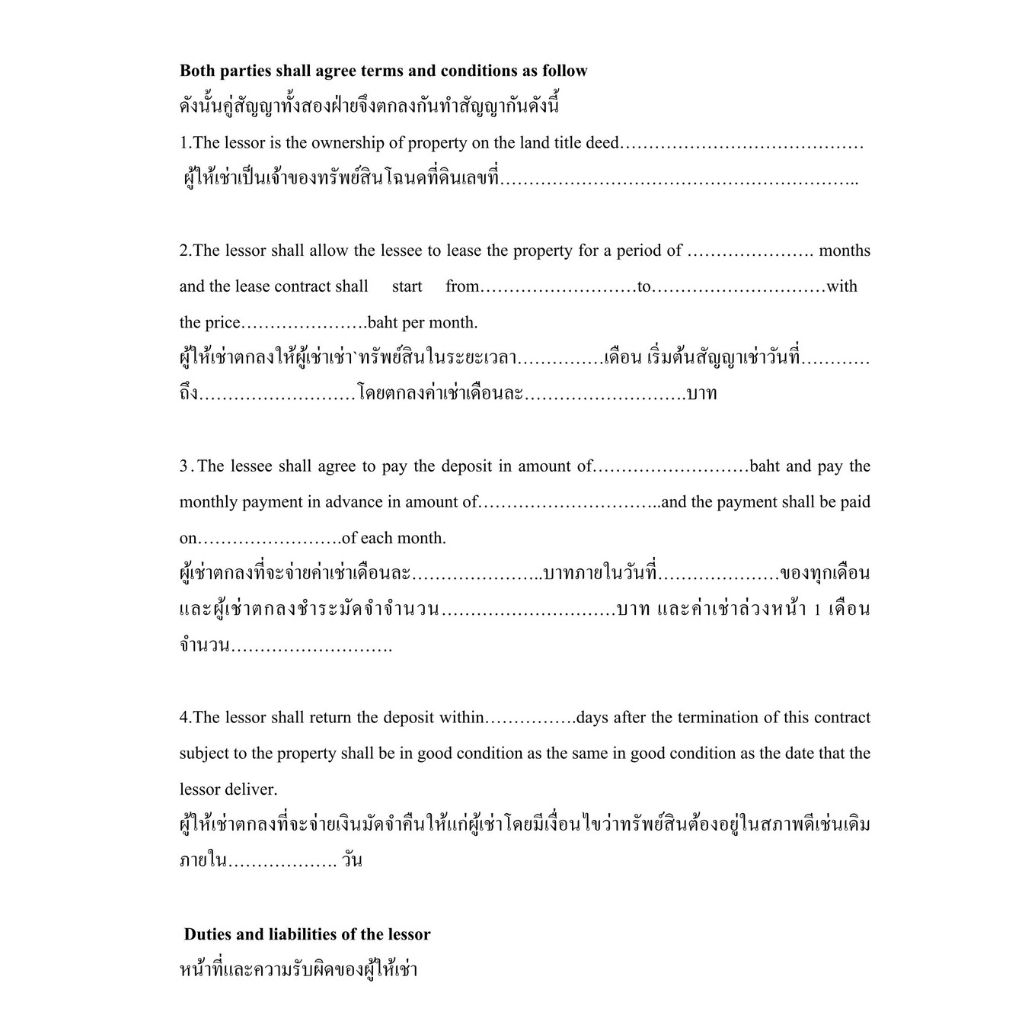
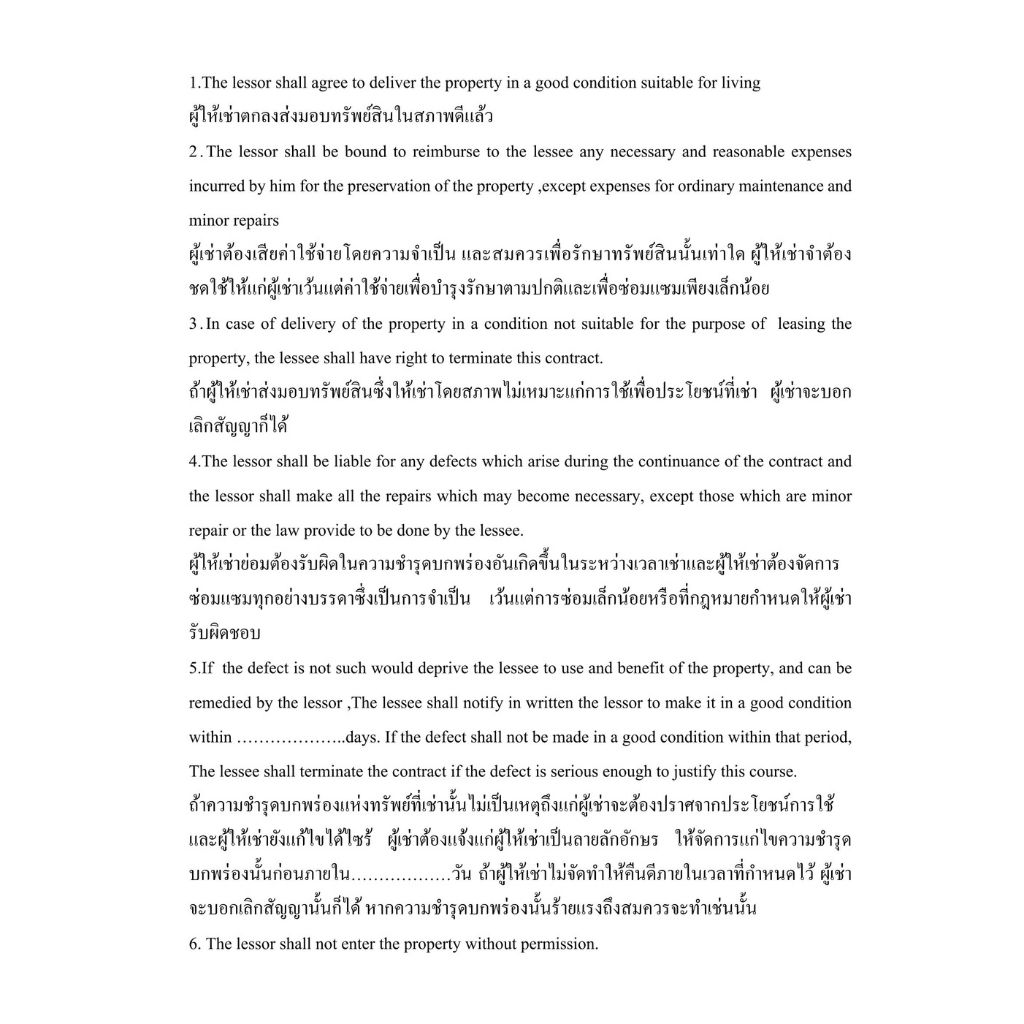
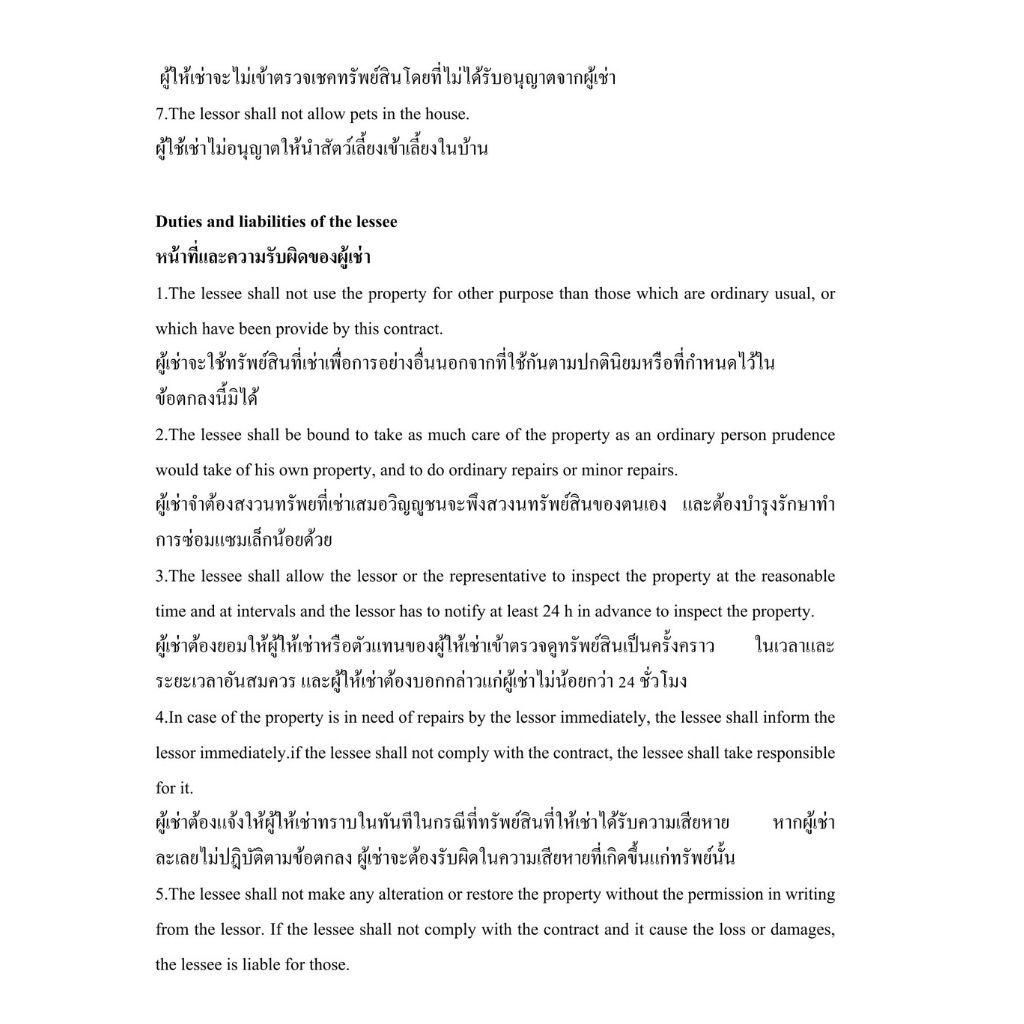
In the realm of property leasing, there is no one-size-fits-all solution. The decision between short term and long term rentals hinges on individual priorities and market dynamics. By carefully weighing the pros and cons outlined in this guide, property owners can navigate the diverse landscape of real estate leasing and tailor their approach to achieve both financial success and personal satisfaction.Free Lease Contract - Rent + Sell (EN+THAI)
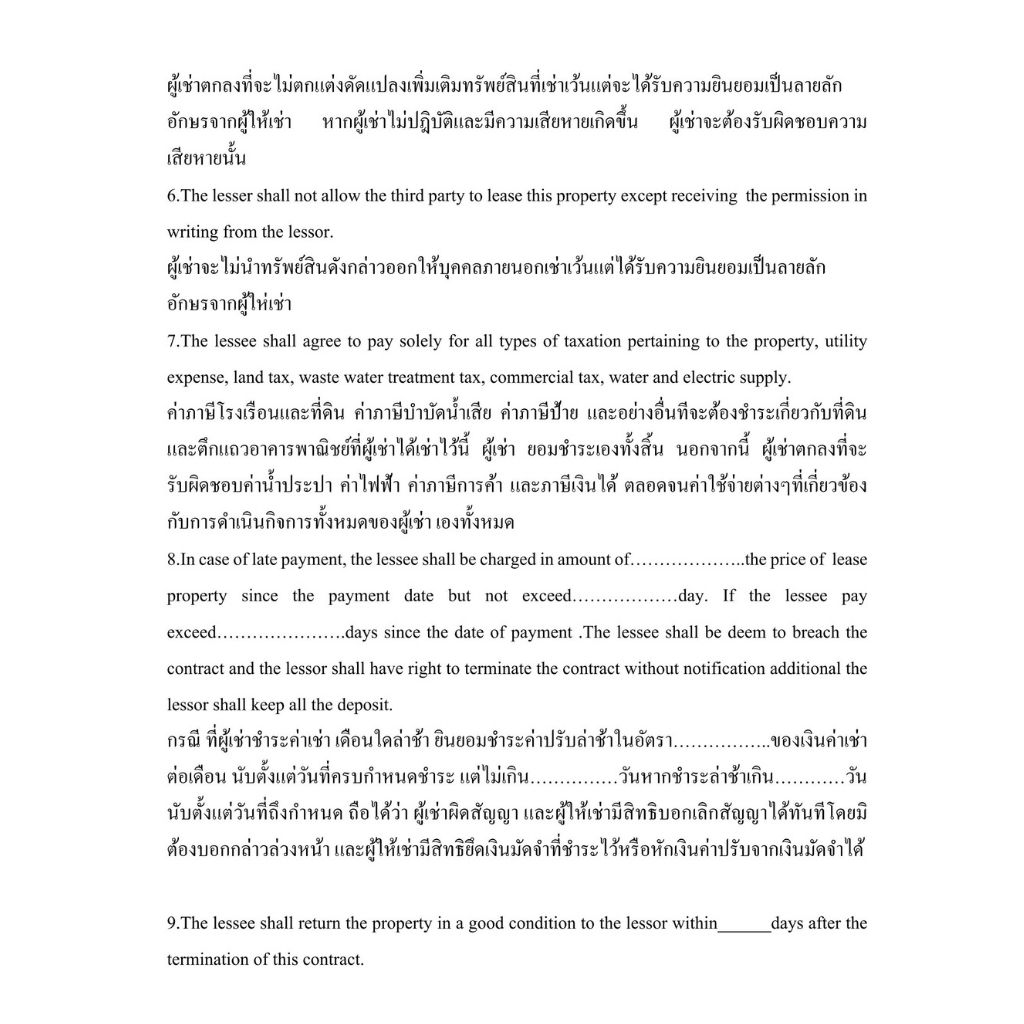
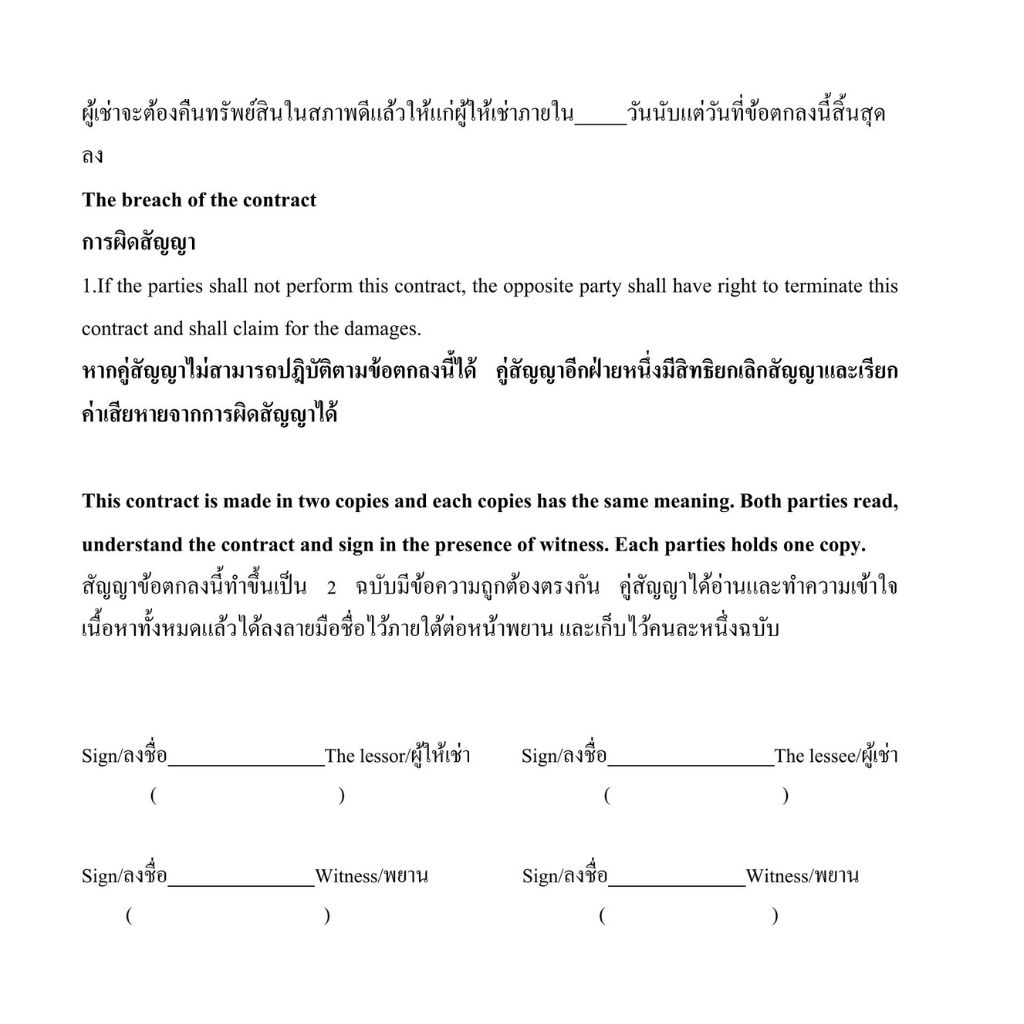
Free Lease Contract Part 1
Free Lease Contract Part 2
Free Lease Contract Part 3
Free Lease Contract Part 4
Free Lease Contract Part 5
Free Lease Contract Part 6
Thai News
-
admin
- Real Estate News
- มิถุนายน 18, 2023
การซื้อขายคอนโด | เข้าใจสัญญาซื้อขายคอนโดในประเทศไทย
ในตอนท้ายของบทค…

-
John Smith
- Real Estate News
- มกราคม 18, 2024
Selling your Home? Don’t Skip the Home Inspection: Here’s Why
Selling your Ho…

-
John Smith
- Real Estate News
- สิงหาคม 16, 2023
The Cheapest Province to Live in Thailand
The Cheapest Pr…

-
admin
- Real Estate News
- กรกฎาคม 6, 2023
Condo Buy or Rent | Making an Informed Decision
Condo Buy or Re…

-
John Smith
- Real Estate News
- กันยายน 27, 2023
Thailand Investment Fest | All You Need To Know
Welcome to Thai…

-
phum
- Real Estate News
- มกราคม 22, 2025
Who is Eligible for the ‘Baan Puer Kon Thai’ Project?
"Who is Eligibl…

-
John Smith
- Real Estate News
- ธันวาคม 11, 2023
What is the cheapest Place to Buy Property in Thailand?
What is the che…